Table of Content
Survey results along with additional state information from previous PHI and NCDHHS sources are compiled in the report . The survey collects data on state activities in response to direct care worker shortages. Surveys were sent to the state Medicaid agencies and State Units on Aging for 50 states; data were collected between February and April 2002. Developing an incentive system that would provide additional Medicaid reimbursement to facilities that increase staffing to meet certain criteria (e.g., minimum staff-to-resident ratios or hours of nursing care per resident day).
This has led to difficulties obtaining personal protective equipment , obtaining testing for the virus, accessing some clients living in residential facilities, and more recently, obtaining the vaccine. According to interviews and our media scan, some agencies provided mental health services for their staff, and even helped to provide basic everyday needs like groceries, transportation, and childcare. One policy alternative, intended to achieve the same objective of improved quality, is to require minimum expenditures for nursing staff. This alternative would allow facilities the flexibility to allocate nursing resources according to their staffing needs and the labor market demand for nurses in their community. For example, some facilities may increase staff numbers while others may increase the wages of existing staff. However, the effectiveness of this policy alternative, whether alone or in conjunction with minimum nursing staff standards, depends on whether increased nursing expenditures result in improved quality.
AARP Nursing Home COVID-19 Dashboard
Staff felt unsafe using public transportation, and clients were uncomfortable having people in their homes if they had been on public transportation. A lack of safe, reliable transportation has made it difficult to maintain sufficient staffing during the pandemic. Because their staff are not designated as essential workers, they have had limited access to vaccines in many states. Some hoped that increased reliance on home care, in the wake of the pandemic, would result in positive changes to these long-standing issues.

Courses are available at a variety of campus locations as well as partially online with clinical instruction through area nursing homes and hospitals. Finally, shifting client loads also caused staffing challenges during the pandemic. When the pandemic began, people were afraid to have others outside of their immediate family unit in their homes for fear of exposure. Many clients who did not have life-threatening needs, such as those primarily using home care for meal preparation or housekeeping, canceled services. Others had family members working from home who could take on the additional care.
Florida
A state-by-state analysis of training requirements for personal care aides. Descriptions of pending actions and their status at the time of publication are also included. The author asserts that state nursing staff standards are complex, vary widely, and are often difficult to interpret.

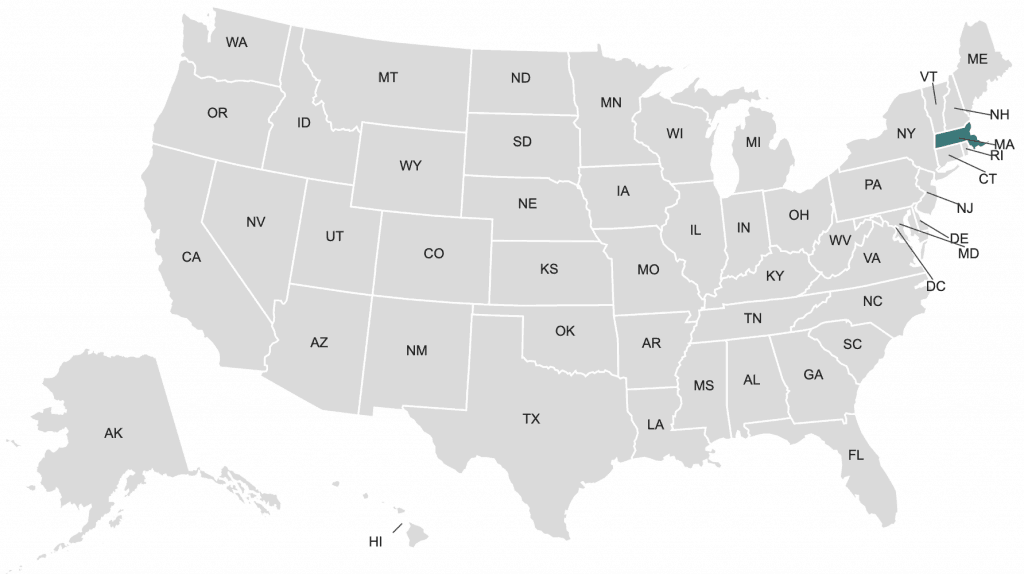
There is one set of personal care aide training requirements in New York. There are two sets of personal care aide training requirements in New Mexico. There is one set of personal care aide training requirements in New Jersey. There is one set of personal care aide training requirements in New Hampshire. There are two sets of personal care aide training requirements in Nevada.
China estimates COVID-19 surge is infecting 37 million people a day: report
Agencies and advocates reported that this change increased the number of clients after many had been lost due to fear on the part of existing clients and decreasing referrals for post-acute care after the dramatic decrease in elective surgeries. This helped agencies maintain consistent staff hours and reduced staff time following up with physicians. One state official commented that due to the success of this policy change, it may continue beyond the COVID-19 pandemic. In 2019, there were approximately 2.3 million home care workers in the United States. Home care and home health agencies provide services and supports that help individuals remain safely in their homes. Home health refers to clinical services provided in the home, such as occupational therapy, physical therapy, and nursing, as well as personal care assistance services from aides that may supplement the necessary clinical care.
The report discusses recent state activity in five states that enacted legislation in 2000. The report also outlines the federal guidelines for nursing facilities and highlights findings from the federal nursing home study issued by CMS in 2000. The Phase II study replicates analyses from Phase I using a larger, more nationally representative sample of nursing homes along with more recent and improved quality of data with over 5,000 facilities in ten states. With findings similar to those from the previous Phase I report, the Phase II report identifies nursing staff ratios that maximize quality outcomes in nursing homes. Unlike the Phase I thresholds, the Phase II thresholds vary by nurse category and care requirements of the nursing home population.
Florida HHA Training Requirements
As a result, she develops her own methods of standardizing information and characterizing states. Standards presented in ratios are converted to hprd in order to develop a uniform comparison across states. For purposes of comparing staffing, the author calculates staffing for a 100 bed facility and assumes each facility has at least two units.
The Healthcare Decisions Group recommends that Connecticut create a nursing staff-to-resident ratio database for use by state regulators in monitoring and enforcing mandated nurse-to-resident ratios in facilities. However, the Group has reservations about the use of such a database without a means of relating staffing ratios to resident outcomes, thus pointing to the need for a resident outcomes database. In addition, the Group recommends compilation of a workforce database based on information from educational institutions, professional licensing databases, and compensation surveys among other sources.
The experiences of states that have already grappled with the complexities of setting, monitoring, and enforcing minimum staffing ratios could be instructive. The project will describe the states' minimum ratios and their goals, the issues states confront as they implement the ratios, and the perceived impacts of these ratios on the quality and cost of nursing home care. Workforce shortages that have long existed in the home care and home health industries were exacerbated by the COVID-19 pandemic.
All agencies we spoke with reported adding telehealth services in order to continue to provide care and monitor clients remotely. Most agencies we spoke with said this was primarily done telephonically and did not involve adding telehealth infrastructure. Many agencies also reported developing tools, such as Apps, to screen their staff and their clients on a regular basis and monitor COVID-19 exposure, symptoms, or any high-risk travel.
Agencies addressed these challenges through changes to their own policies and practices as well as by taking advantage of changes to federal and state policies and regulations. One policy change repeatedly noted as helpful to agencies was the authorization for non-physician practitioners, such as nurse practitioners or physician assistants, to certify clients for services. This has made it easier for agencies to take on new clients and saved staff time in having to seek out physicians. Many agencies also took advantage of increased telehealth opportunities, although it was repeatedly noted by agencies and advocates that agencies cannot be paid for services supplied via telehealth in most cases. Agencies also reported using virtual means to hire, onboard and train workers.

However, it remains unclear whether the industry is prepared for the volume of workers needed, both during and beyond the pandemic. This CMS Phase I report examines the "appropriateness" of establishing minimum nursing staff ratios in nursing homes and finds a relationship between staffing ratios and quality of care. Based on new empirical analyses, the Phase I Report finds that there are critical nursing staff ratios, or thresholds, for CNAs, LNs, and RNs below which nursing home residents are at risk for serious quality of care problems. However, the findings are preliminary due to data and sample limitations. From the perspective of many stakeholders, the primary remaining challenge is getting home care workers recognized as essential workers, which would allow them easier access to PPE, testing, and vaccines.
Many respondents reported that staff left their jobs due to fear of exposure to the virus. This was especially true early in the pandemic when there were many unknowns about COVID-19 transmission. Some older workers or people with underlying conditions that made them more susceptible to hospitalization if exposed to COVID-19 chose to leave the field or retire. Some respondents noted that because testing was so hard to acquire, they were forced to quarantine staff even if they had a suspected exposure with no symptoms.
Similarly, electronic means have been used to obtain signatures, complete check-ins with clients, monitor staff and client symptoms and possible exposure, and increase communications between teams of staff. However, a challenge repeatedly noted by stakeholders was the inability of agencies to be reimbursed for telehealth services. Several advocates and agencies commented that increased Medicaid rates could assist with ensuring adequate pay for workers. One agency commented that the rate should increase to meet $15 minimum wage expectations. A few state officials and advocates commented on the need to provide standardized worker training and other requirements across states and to align training expectations with new career pathways that would justify increased salaries and better benefits.




No comments:
Post a Comment